
How Prosecutors Use Digital Evidence in Criminal Defense Matters
Sept. 4, 2026
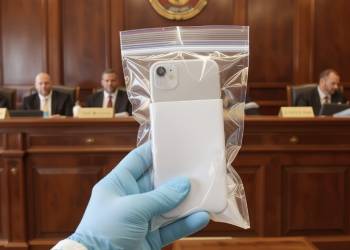 Technology has changed how many criminal investigations are conducted. Information stored on phones, computers, online accounts, and other devices can become a major part of a criminal case. For people facing charges, learning that prosecutors are using digital evidence can raise concerns about privacy, accuracy, and whether electronic information truly reflects what happened.
Being accused of a crime involving digital records can create uncertainty, especially when you don't know how investigators collected information or how prosecutors plan to present it. A single message, photograph, location record, or online post doesn't always tell the full story behind an event.
Justin Lowe & Associates assist individuals accused of crimes involving electronic records, online activity, and other forms of digital evidence. From its office in Oklahoma City, Oklahoma, the firm provides guidance to clients throughout the Oklahoma City metro, Edmond, Norman, Guthrie, Mustang, Yukon, and surrounding areas. Schedule a consultation to learn more.
Sources of Digital Evidence Prosecutors Use
Digital evidence can come from many sources depending on the allegations involved and the information available during an investigation. Prosecutors often rely on electronic records because they can provide timelines, communications, or other details they believe support their case. Some common sources of digital evidence include:
Cell phone records: Text messages, call history, photographs, videos, and location data can provide information connected to an investigation.
Social media accounts: Posts, direct messages, comments, and account activity can become part of a criminal case.
Computer files: Emails, documents, internet history, and stored files can provide additional information for prosecutors.
Surveillance recordings: Video footage from homes, businesses, or public locations can be reviewed as evidence.
Online account information: Data from websites, applications, or digital platforms can sometimes be collected during an investigation.
The source of digital evidence can affect how it should be reviewed and challenged. A criminal defense lawyer can examine whether electronic information accurately reflects the events involved or whether it omits important details.
How Digital Evidence Is Collected During Investigations
Before prosecutors present digital evidence in court, investigators must obtain and preserve that information. The collection process can involve search warrants, requests to service providers, forensic examinations, or other investigative methods. The methods used during this stage can affect whether the information is considered reliable and admissible in court.
The way electronic information is gathered can raise important legal questions. Investigators must follow applicable rules when accessing private information, and mistakes during collection can affect whether evidence can be used in a criminal proceeding.
Digital records also require proper handling after they’re collected. Information stored on electronic devices can be copied, transferred, or reviewed by multiple people, so documenting the process is important.
A criminal defense lawyer can review whether investigators followed proper procedures when obtaining digital evidence. This review can identify concerns about privacy rights, evidence handling, or whether the information was collected lawfully. Reviewing these details can help determine whether digital evidence should be challenged or given less weight during the case.
Challenges With Digital Evidence in Court
Although digital evidence can provide important information, it doesn’t always provide a complete picture of an event. Electronic records often require additional context to determine what they actually show. The circumstances surrounding the creation, collection, and interpretation of this information can affect how much weight it receives during a criminal proceeding.
Several issues can affect the reliability of digital evidence:
Incomplete information: A single message or record might not include the surrounding conversations or circumstances.
Misinterpretation: Digital content can be presented in a way that doesn’t accurately reflect its meaning.
Authentication concerns: Prosecutors must establish that electronic records are genuine and connected to the appropriate person.
Account ownership questions: The existence of an account or device doesn’t always prove who used it.
Changes to electronic records: Digital files can raise questions about whether information was altered or modified.
Reviewing these concerns can help determine whether digital evidence should be challenged in court. A criminal defense lawyer can evaluate electronic records and identify weaknesses that could affect how prosecutors present their case.
Protecting Your Rights When Prosecutors Rely on Technology
Digital evidence doesn’t automatically prove that someone committed a crime. Prosecutors still have a responsibility to present evidence that supports each element of the charges they have filed. When technology plays a major role in a criminal case, several factors require attention:
The reason information was collected: Investigators must have proper legal authority when accessing certain digital records.
The accuracy of the information: Electronic data should be reviewed carefully to determine whether it has been interpreted correctly.
The surrounding circumstances: Messages, files, and online activity often require additional context.
The connection to the allegations: Prosecutors must show how the evidence relates to the specific charges.
Having an experienced lawyer review digital evidence can help identify issues that could affect the outcome of a case. Careful review of electronic information can also help determine whether prosecutors have presented a complete and accurate account of events.
How a Criminal Defense Lawyer Addresses Digital Evidence
Digital evidence has become an important part of many criminal cases, but electronic records must be carefully examined before their significance can be determined. Questions about collection methods, accuracy, and context can affect how this information is considered in court. This is where an experienced criminal defense lawyer comes into play.
The criminal defense lawyer at Justin Lowe & Associates assists clients facing charges involving digital evidence by examining how electronic records affect their cases. The firm provides representation from its office in Oklahoma City, Oklahoma, serving clients throughout the Oklahoma City metro, Edmond, Norman, Mustang, Guthrie, Yukon, and surrounding areas across the state. Contact the office to discuss your defense options.