
How Intersection Accidents Differ From Rear-End Collisions in Liability Cases
May 4, 2026
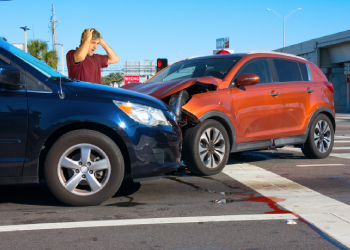 When someone is involved in a car accident in Oklahoma, determining fault becomes one of the most important parts of the situation. The outcome of an auto accident claim often depends on how liability is assigned, and that process can vary significantly depending on the type of collision.
Two of the most common crash types—intersection accidents and rear-end collisions—are evaluated differently because the circumstances surrounding them aren’t the same.
While both types of crashes can result in serious injuries, property damage, and financial stress, the way investigators and insurance companies analyze responsibility in an accident depends heavily on how the collision occurred. Justin Lowe & Associates represents individuals throughout Oklahoma who have been injured or otherwise affected by serious auto accident cases.
Based in the Oklahoma City metro area, the firm serves clients in Edmond, Norman, Moore, Guthrie, Mustang, Yukon, and surrounding areas throughout Oklahoma. They take a careful, detail-focused approach to each case, reviewing the circumstances of the crash, evaluating available evidence, and helping clients understand how liability may be determined.
With a strong focus on clear communication and client support, the firm guides individuals through each stage of the process following an auto accident. Contact Justin Lowe & Associates to discuss why outcomes can vary from case to case.
Why Fault Matters
Fault determines who’s responsible for damages after an auto accident. In Oklahoma, liability is generally based on negligence, meaning a driver failed to act with reasonable care under the circumstances. This could involve speeding, distracted driving, failing to obey traffic signals, or following too closely.
In an auto accident claim, fault directly affects compensation. Medical bills, lost income, vehicle repairs, and other damages are typically allocated based on the percentage of responsibility assigned to each driver. Oklahoma uses a comparative negligence system, which means more than one party can share fault, and compensation may be reduced based on each driver’s percentage of responsibility.
Because of this system, even a small shift in how fault is determined in an auto accident can significantly change the financial outcome of a claim.
How Intersection Accidents Are Evaluated
Intersection collisions are often among the most complicated auto accident cases because they involve multiple directions of travel, traffic signals, and competing claims of right-of-way. These crashes may occur when drivers misjudge timing, fail to yield, run a red light, or become distracted while entering the intersection.
In an intersection-related vehicle accident, investigators examine how each driver entered and moved through the intersection. This often includes analyzing signal timing, speed, lane position, and driver behavior immediately before the crash. Because more than one driver may have contributed to the auto accident, liability is frequently disputed.
Evidence plays a major role in these cases. Traffic camera footage, eyewitness statements, and accident reconstruction reports are often reviewed to determine how the auto accident occurred. Even minor inconsistencies in driver accounts can affect how fault is assigned.
Unlike simpler collisions, intersection accident cases often involve shared responsibility. One driver may have had the right-of-way, but another driver’s actions may still contribute to the final determination of fault.
How Rear-End Collisions Are Typically Analyzed
Rear-end collisions are generally treated differently in auto accident claims. In most cases, the driver who strikes another vehicle from behind is presumed to be at fault. This presumption exists because drivers are expected to maintain a safe following distance, travel at a reasonable speed, and remain alert to traffic conditions.
In a typical rear-end collision, investigators focus on whether the trailing driver was following too closely, was distracted, or was unable to stop in time due to excess speed or other factors. However, there are exceptions where liability may be shared or shifted depending on the facts. Situations that may affect fault in a rear-end auto accident include:
A lead driver stopping suddenly without a valid reason
Brake lights that weren’t functioning properly
A vehicle reversing unexpectedly
Hazardous road conditions affecting stopping distance
A chain reaction crash involving multiple vehicles
Even when these factors are present, the trailing driver is often still assigned significant responsibility. However, each accident is evaluated based on its specific circumstances.
Because rear-end collisions tend to involve fewer disputed facts, they’re often more straightforward in terms of liability compared to intersection crashes.
What to Know About the Differences in Liability Between the Two Crash Types
Although both intersection and rear-end collisions fall under the broader category of auto accident cases, the way liability is determined differs in several important ways.
Intersection accidents often require a broader analysis of multiple drivers, traffic signals, and roadway conditions. Liability in a car accident at an intersection may be shared, depending on how each driver contributed to the crash. These cases are more likely to involve disputes because both drivers may believe they had the right of way.
Rear-end collisions, on the other hand, typically begin with a presumption that the trailing driver is responsible. The analysis of a rear-end auto accident focuses more on following distance, reaction time, and attention to traffic conditions.
These differences matter because they affect how insurance companies evaluate claims and how liability is ultimately assigned. In both situations, however, strong evidence is essential to support or challenge fault determinations. It’s also important to consult with an experienced auto accident attorney to make sure your rights are protected.
Moving Forward After an Accident
Intersection accidents and rear-end collisions may both result in serious harm, but they’re evaluated differently when determining liability in an auto accident case. Intersection crashes often involve shared responsibility, while rear-end collisions typically place initial responsibility on the trailing driver, though exceptions depend on the circumstances.
Justin Lowe & Associates works with clients throughout the Oklahoma City metro, including Edmond, Norman, Moore, Guthrie, Mustang, Yukon, and surrounding areas across Oklahoma, to evaluate auto accident claims and help individuals understand how liability may be determined.
If you’ve been involved in a car accident and have questions about your situation, contacting Justin Lowe & Associates can help you learn more about your options and next steps.